Why Do SPC Flooring and Stair Treads Have Color Variations?
 Are Foam PVC Rolls Suitable for Home Use?
 Why SPC+IXPE Outperforms SPC+EVA, LVT & Bare SPC?
 How Is SPC Flooring Packed for International Shipping?
Thicker flooring recommended? This does not mean that it is recommended to choose the thickest floor available. Instead, choose a thicker floor within the range of available floor thicknesses.
Certainly! You should base the suggestion to choose a thicker floor on the actual situation. Because this does not mean that thicker floors will have better performance advantages.
This also doesn’t mean that thicker floors will last longer. This does not mean that thicker floors can beat thinner floors in all aspects
1. The quality of floor locks is generally better. Thicker SPC floors will not easily damage the locks under normal circumstances.
2. The foot feels generally more comfortable. Thickness may affect user experience - foot comfort to some extent.
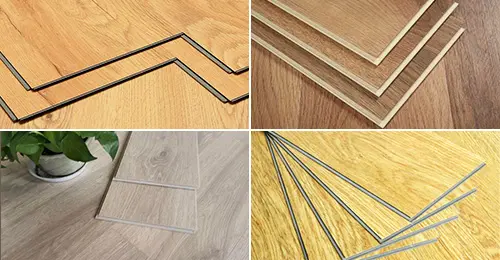
3. The overall texture of the floor will be better. Thicker floors require the use of more raw materials.
Attaching a silent pad can also reduce noise. A floor with a silent mat will be thicker than a floor without a silent mat.
There are several issues you need to consider when choosing thicker floors:
1. Is the budget sufficient?
The thickness of SPC lock flooring is different, and the price will be different. Choosing a thicker floor will generally cost more.
This is because of factors like the wear-resistant layer, production process, and order quantity. If everything else is equal. Therefore, you need to consider whether the budget is enough to choose a thicker floor.
2. How to install the floor.
The main installation method of SPC flooring is: lock installation. The thickness of the floor will affect the lock. Usually, the lock used is the same, and if the floor is thicker, the lock's quality improves. In general, thinner floors and locks are more susceptible to damage.
The conventional size of SPC flooring we currently sell is generally: 4MM total thickness. Choosing a 6MM thickness will guarantee better lock quality than a floor with 4MM thickness. However, the premise is still that other parameters except thickness are consistent.
3. The overall situation of the installation.
The choice of floor thickness also needs to consider the installation environment. If you are installing over the original floor, you need to consider the thickness of the floor. If the floor is too thick, it may have adverse effects on daily opening of doors. Therefore, individuals must fully consider whether the ground where they install the floor can adapt to thicker floors.
4. Do you need to mute the sound?
At present, the common way to enhance silence is to stick a silence mat on the bottom of the floor. Flooring with silent pads will increase the thickness of the floor. For example, the 0.5MM silent mat covers a 6MM thick floor.
The thickness of the silent mat relates to the thickness of the floor. For example: a floor with a thickness of 4MM is almost impossible to fit a thick silent mat. If you connect a thin floor to a thick silent mat, it can easily break the lock.
5. How to use the floor.
If you plan to use the floor for a long time, we recommend using a thicker floor. The quality of the floor will generally be better. If you plan to DIY your own flooring frequently, choosing a thinner flooring may also be a good choice. Thinner floors are generally lighter in weight.
In conclusion, we recommend choosing a thicker SPC floor if you have a sufficient budget. However, it is worth noting that thicker SPC lock floors may not be regular sizes. This may require a minimum order quantity.
As a building material covering the floor, the choice still needs to consider many factors. If you are still hesitating about the choice of floor thickness, you can contact us immediately!
As a professional flooring manufacturer, we can provide you with flooring solutions that are right for you.