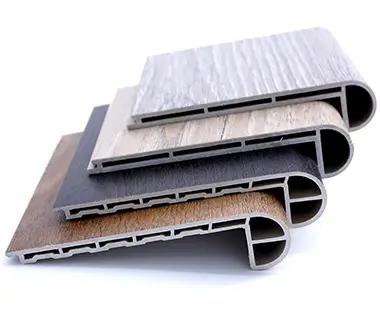
Why Do SPC Flooring and Stair Treads Have Color Variations?
 Are Foam PVC Rolls Suitable for Home Use?
 Why SPC+IXPE Outperforms SPC+EVA, LVT & Bare SPC?
 How Is SPC Flooring Packed for International Shipping?
It's possible to repair damaged LVP flooring yourself. This guide provides detailed repair methods.
Preparation
First, identify your LVP flooring type. Click-lock flooring connects via tongue and groove joints. Adhesive flooring is fixed to the subfloor.
Prepare basic tools: matching color repair crayons, repair paste, plastic scraper, fine sandpaper, cleaning cloth, etc. The specific tools needed may vary depending on the extent of damage and the difficulty of the repair.
Repairing Surface Scratches
For shallow scratches, clean the area first. Using a repair crayon of a similar color, gently apply it in the direction of the scratch.
Wipe away any excess with a cloth. Allow it to dry. For added protection, apply a clear floor protectant.
For deeper scratches, use LVP-specific repair paste. Use a scraper to fill the scratch with the paste, slightly above the floor surface.
Allow it to harden completely. Lightly sand it smooth with fine sandpaper. Finally, clean the surface.
Partial Replacement of Severely Damaged Floorboards
Click-lock Flooring Replacement Steps:
Starting from the wall, carefully remove the baseboard (if necessary).
Remove adjacent floorboards connected to the damaged board one by one.
Remove the damaged board.
Align the new board's latches with the adjacent boards.
Snap it in at the appropriate angle and press it flat, ensuring a tight connection.
Adhesive Flooring Replacement Steps:
Heat the damaged board with a hairdryer or heat gun to soften the adhesive underneath.
Carefully lift and remove the board using a pry tool.
Thoroughly scrape away any remaining old adhesive.
Apply the recommended flooring adhesive evenly to the back of the new board.
Fit the new board precisely into position and press firmly.
Weigh down the area for at least 24 hours.
Treating Warped Floorboards
For minor edge warping, inject a small amount of flooring adhesive into the gap. Then weigh down the warped area evenly. Allow 24 hours for the adhesive to cure.
If the warping is really bad or covers a big area, you might have to cut out that section of the board. Check the subfloor for dampness or unevenness. After resolving the issue, reinstall the boards.
Repairing Dents
For small dents, try using heat to expand and restore them. Place a slightly damp cloth over the dent. Iron through the cloth for a few seconds with an iron at a medium-low temperature.
Check the restoration. This process can be repeated, but avoid overheating.
Important Precautions
Before repairing, test any repair products or adhesives in an inconspicuous area. Ensure the work area is well-ventilated. Strictly follow the product instructions. For large or complex damage, consulting a professional is still a wise choice.
Daily Maintenance Recommendations
Use protective pads under furniture legs.
Sweep or vacuum regularly to prevent abrasion from sand.
Wipe up spilled liquids immediately.
Use the cleaner recommended for LVP flooring.
With the right tools and methods, you can fix common LVP flooring damage. This will help it last longer and keep it looking good.