Why Do SPC Flooring and Stair Treads Have Color Variations?
 Are Foam PVC Rolls Suitable for Home Use?
 Why SPC+IXPE Outperforms SPC+EVA, LVT & Bare SPC?
 How Is SPC Flooring Packed for International Shipping?
When choosing solid wood flooring, the species of wood is often one of the most important considerations. The different wood types not only determine the floor's appearance. But also affect its durability, maintenance, and suitability for the space it's used in.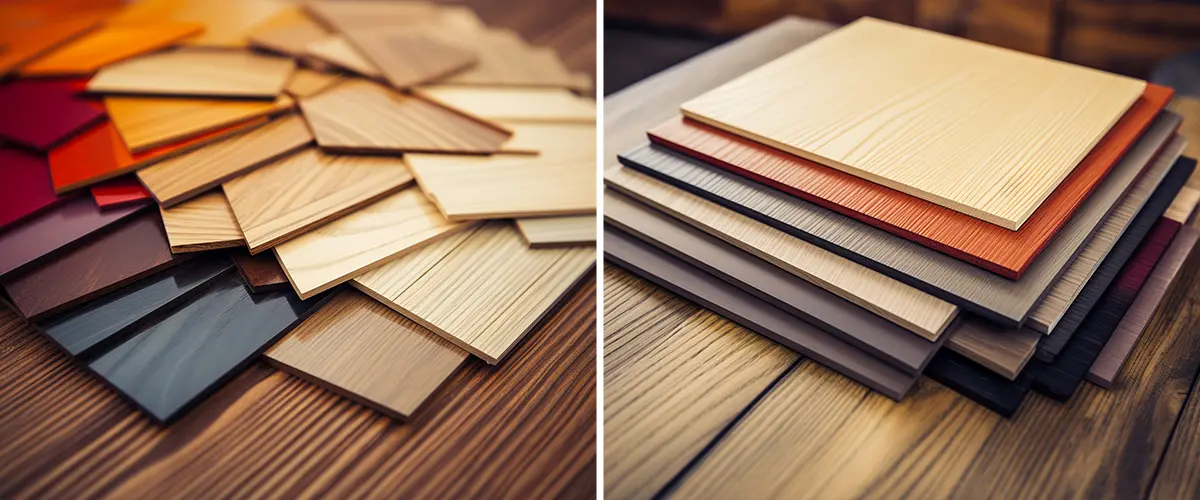
Solid wood flooring is popular for its natural texture, comfortable feel, and environmental friendliness. Solid wood flooring has become a popular choice for modern home renovations. Among Among the many wood species, oak, walnut, and maple are the most common.
However, different species vary significantly in grain, hardness, color, maintenance, and price. Understanding their characteristics can help you make a more informed choice based on your needs.
This article will analyze solid wood flooring using oak, walnut, and maple as examples. We'll explain their characteristics and differences to help you make a more informed choice.
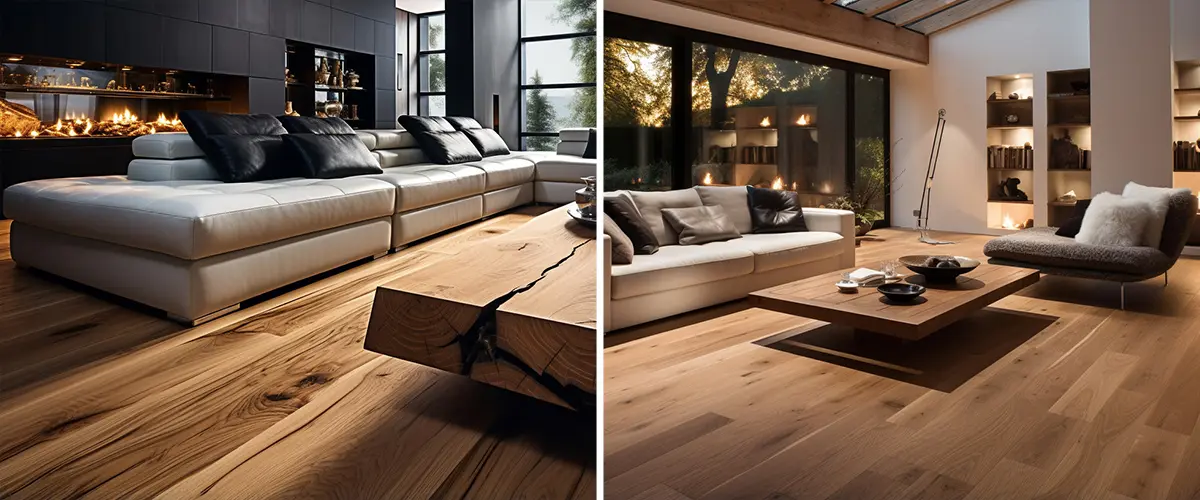
Oak (A Durable and Natural Classic)
Oak is a commonly used solid wood flooring species with a long history and a rugged, defined grain.
Advantages:
Highly wear-resistant and stable: It resists scratches in daily use.
Natural Grain: The wood grain, characterized by chevron, striped, or wavy patterns, conveys a refined and authentic natural aesthetic.
Easy to Match: Available in light or medium brown tones, it complements a variety of decor styles. Including but not limited to Scandinavian, rustic, and vintage styles.
Disadvantages:
Color: Naturally tinted to a light yellow or medium brown. Darker colors or special effects require staining or painting.
Heavy Weight: Consider the floor's load capacity and require professional installation during installation.
Maintenance Tips:
Wipe regularly with a clean, soft cloth to avoid prolonged water damage.
Use oak-specific care oil to maintain the wood's luster and prevent cracking.
Suitable Spaces:
Walnut (A Prestigious and Elegant Choice)
Walnut is considered a premium wood with a beautiful grain and deep color. It is an ideal floor covering for luxurious homes.
Advantages:
Deep, warm color: Ranging from dark brown to purple-brown, with a natural luster and a unique, layered look.
Elegant Grain: The wavy or curly grain creates a decorative effect. Comfortable Texture: Soft underfoot, creating a warm and peaceful atmosphere.
Disadvantages:
Slightly lower hardness: Less wear-resistant than oak, so be careful of scratches from heavy objects.
Price: Market prices are typically 30–50% higher than oak and maple.
Maintenance Tips:
Avoid strong sunlight, as dark walnut is easily lightened by UV rays.
Minor scratches can be repaired with specialized wood wax or dark-colored care oil.
Suitable Spaces:
Maple (A Bright, Fresh, Modern Choice)
Maple is popular for its fine grain and light color, making it a common choice for modern minimalist styles.
Advantages:
Light color creates a strong sense of space: Its creamy white or pale yellow base gives a room a bright and spacious appearance.
Fine, even grain: Its straight or slightly wavy grain creates a clean, fresh visual effect.
High Hardness: Its surface is wear-resistant, making it suitable for flooring.
Disadvantages:
Environmentally Sensitive: Sensitive to temperature and humidity fluctuations, prone to shrinkage and expansion, requiring controlled indoor humidity.
Yellowing Color: May discolor slightly with prolonged sunlight.
Maintenance Tips:
Avoid excessive humidity; maintain indoor humidity between 40% and 60%.
Regularly use maple-specific oil or wax to maintain the surface gloss.
Suitable Spaces:
Solid Wood Flooring Buying Tips:
If you value durability and a classic, natural look, oak is a solid choice.
If you prefer elegance and are willing to invest in unique grain and color, walnut is a better choice.
If you desire a simple, clean space while also seeking strength and a refined texture, maple is the perfect choice.
Comprehensive Considerations:
Family Activity Frequency, Function of the Space
Home Decor Style and Color Coordination
Budget and Long-Term Maintenance Costs
Before purchasing, it is recommended to consider your actual needs, home style, and budget. Only by choosing the right wood species can you achieve flooring that is both aesthetically pleasing and practical.
Of course, the LVT and SPC flooring produced by HAODIBAN Flooring offers a wide range of wood grain textures. In addition, it provides greater advantages in both performance and price. If you are interested in new building materials, we can provide you with flooring solutions.