One-Stop SPC Flooring Supply for Export Projects
 What Is the Cheapest Flooring Method?
 Why Do SPC Flooring and Stair Treads Have Color Variations?
 Are Foam PVC Rolls Suitable for Home Use?
Why do products appear to have the same specifications but differ in configuration? Does blindly choosing the lowest-priced flooring manufacturer necessarily mean better value for money?
In fact, flooring prices are influenced by multiple factors, including thickness, wear layer, and underlayment configuration. Blindly chasing low prices while ignoring product quality is not a procurement experience that offers good value for money.
First, we recommend verifying the product specifications before discussing price.
For example, if two SPC flooring suppliers both provide quotes for 5mm SPC flooring. But one uses a 0.3mm wear layer while the other uses a 0.5mm wear layer, there will naturally be a price difference.
We have summarized some key SPC flooring specifications below that buyers should focus on when comparing SPC flooring quotes:
|
Comparison Item |
What Buyers Should Check |
|
Total Thickness |
4mm、5mm、6mm ect. |
|
Wear Layer |
0.3mm、0.5mm ect. |
|
Core Structure |
SPC core composition |
|
Plank Size |
Length and width |
|
Surface Finish |
Wood grain、stone texture ect. |
|
Underlayment |
IXPE、EVA or without backing |
|
Edge Design |
Beveled or square edge |
|
Installation System |
Click lock or other systems |
Second, it is also important to pay attention to what is included in the quotation.
Buyers should not focus only on the product price. They must also consider the prices of the items listed in the quotation. Different quotation terms can lead to variations in the overall price of the quotation. For example, if one quotation is based on FOB terms and another on CIF terms, the two are not comparable.
▶ Product Price: The price of the product itself, including the unit price and total price.
▶ Packaging: Packaging requirements and packaging costs.
▶ Accessories: Whether matching flooring accessories are included.
▶ Customized Requirements: Whether customization requests incur additional costs.
▶ Sample Costs: Sample fees and related arrangements.
▶ Shipping Terms: For example, common trade terms include FOB, CIF, and others.

Next, pay attention to the terms of the order and delivery arrangements.
These aspects also require close attention from the buyer:
Minimum Order Quantity (MOQ): Check whether you can meet the factory’s MOQ; if you cannot, a low price will be of no use.
▶ Production Lead Time: Find the factory’s production cycle, since its length directly affects delivery time.
▶ Payment Terms: Payment terms vary by buyer; for example: T/T IN ADVANCE…
▶ Packaging and Labeling: Check whether palletizing and box marking are available.
▶ Delivery Arrangements: Determine the delivery date and the method of delivery.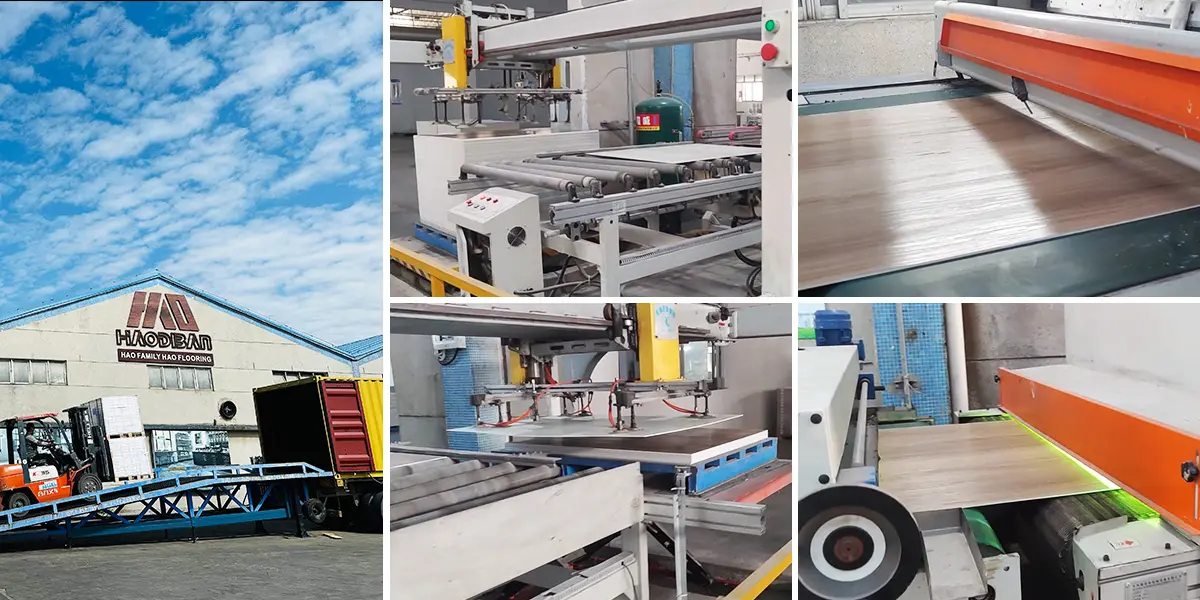
Next, evaluate the flooring manufacturer’s capabilities.
Depending on the order requirements, you may want to focus on the following areas:
▶ Manufacturing Facilities: These affect product quality and delivery times.
▶ Quality Control: This directly impacts product quality.
▶ Product Testing: This relates to the manufacturer’s ability to ensure product quality.
▶ Certifications: These are relevant for bidding on certain construction projects.
▶ Production Capacity: The length of the production lead time also affects delivery times.
▶ Customization Services: This determines whether the manufacturer can produce products according to customer requirements.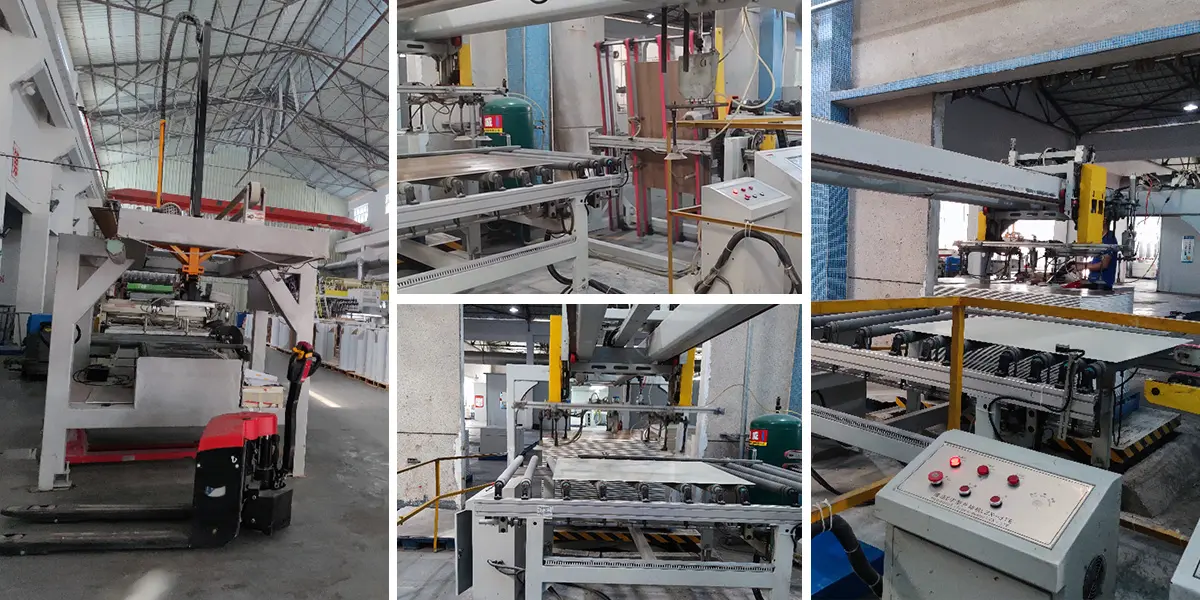
Finally, here are the steps buyers should follow when comparing prices:
Step 1: Create a comparison chart—a multidimensional table for comparing product orders;
Step 2: Compare data, including product specifications and other details listed in the quotations;
Step 3: Verify factory information, paying close attention to quality documents and test reports;
Step 4: Double-check to ensure no comparison items have been overlooked;
Step 5: Make a comprehensive assessment of whether the flooring manufacturer meets the procurement requirements.